Mastering the rule of three in storytelling
Transcript
It is time for your Fearless Monday Minute. There’s a well known saying when it comes to crafting your content for public speaking, which is: “Tell them what you’re gonna say, say it, and then tell them what you said”. If you notice there we have the magical rule of three. So when you begin your speech, you’re going to want to inform the audience and tell them what it is you’re going to talk about. That’s a thesis statement, part of your introduction. Then what you’re going to do is during the course of the body of the presentation, you’re going to speak about what it is that you had said you’re going to talk about. And at the end, at the conclusion, you’re going to wrap it up by summarizing and repeating again what it is that you said you were going to speak about. And what this does is it allows for the audience to build trust with you. You are clear about your instruction and you deliver upon what it is that you’re going to speak to them about. So the next time you have to present remember, tell them what you’re gonna say, say it, and then tell them what you said.
Mastering The Rule Of Three In Storytelling
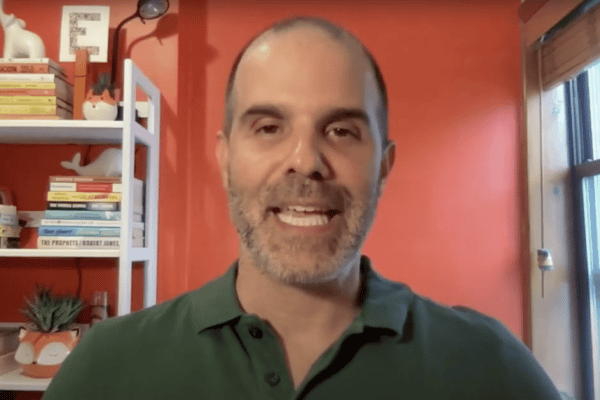
In just 60 seconds, Eduardo breaks down the magical rule of three when it comes to crafting your content for public speaking. For a quick overview, watch this video. For a bit more information, keep on reading.
How to prepare for 3 stages of a talk
Amazing public speaking mirrors great storytelling. You need a clear beginning, middle, and end.
Three 3 stages of a talk, presentation, or pitch are:
- Introduction and Thesis/Big Idea
- The body of your presentation
- Conclusion
Your key message needs to be present in all three areas of your time in the spotlight.
Introducing your key message
Your thesis statement (or what you’re going to be talking about) should be introduced in the opening of your talk or presentation. So when you’re preparing the content for your next public speaking appearance, be sure the audience knows right away what you’re going to be talking about and why. You don’t want your audience wondering “What are they talking about?” or “What does this have to do with the topic?”
Expanding on the key message
The main body of your talk, presentation, or pitch is the time to expand on your ideas. Tell a few stories, include research and statistics to back up your point, and reinforce your key message. This is your chance to take your time and say exactly what you mean. You’ve already told your audience what you’re gonna say. Now is the time to say it.
Conclude by repeating yourself
You have set out what you were going to tell your audience. You have told them. Now it’s time to tell them again. Call back to an earlier anecdote or story. Recall a stand out statistic from the main body of your talk. Perhaps even repeat a snappy quote from your introduction word for word. You’ve told them what you’re going to talk about. You talked about it. Now it’s time to tell them again.
Crafting the content for your next public speaking opportunity
When you’re crafting your content, it’s important not to get trapped in a script. You don’t want to memorize your content too closely otherwise you may stumble over your words or sound like a robot. Using this rule of three is a great way to make sure you know the key message inside and out before you take to the stage.
Next time you present, remember to tell them what you’re gonna say, say it, and then say it again.